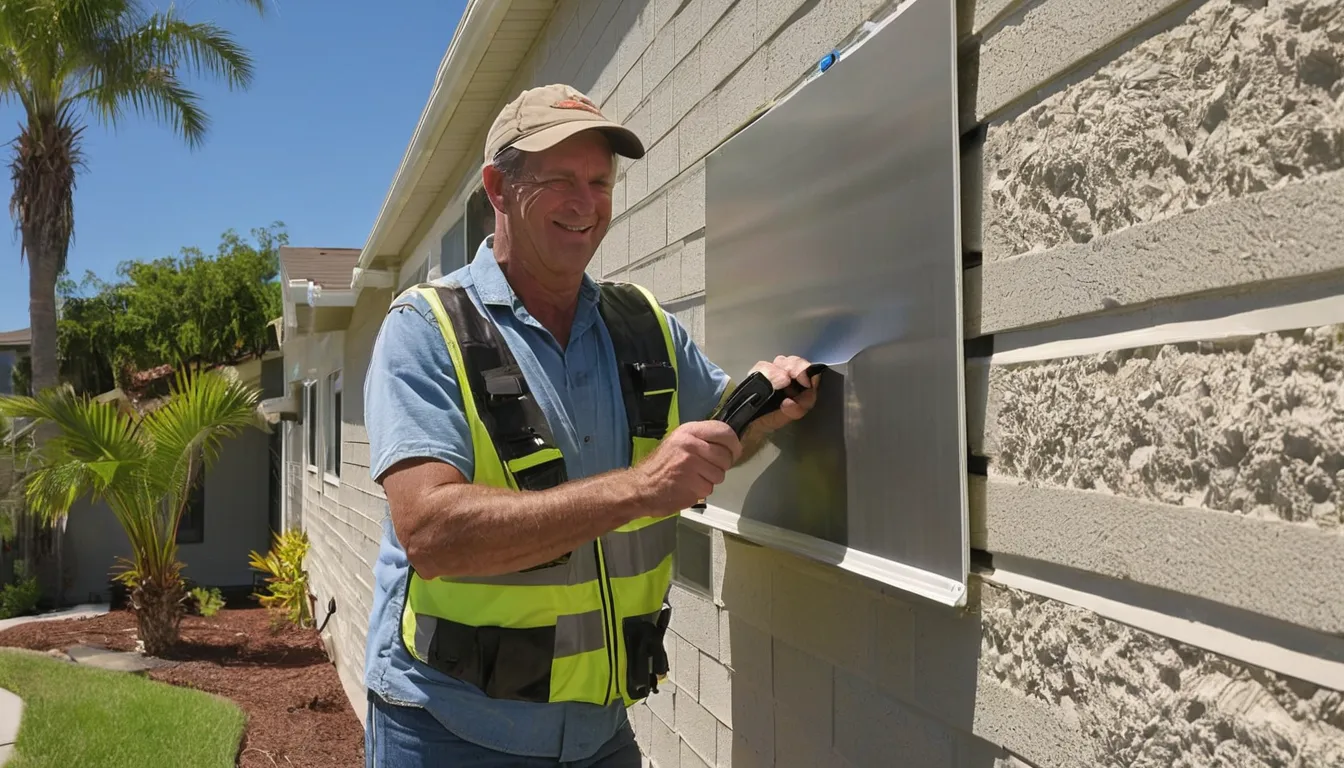
Siding does more than set your home's look. It sheds rain, blocks wind and keeps moisture out of the wall. On an older house, that job gets harder each year as panels warp, fasteners loosen and old patches give way. Voyeurava Windows & Siding is a referral service. We connect homeowners with independent residential siding contractors in the Plant City area.
A provider in our network inspects the walls, explains what they find and puts the plan in writing. Options include vinyl siding, fiber cement and other materials suited to humid, storm-prone weather. Older home, careful match. Timing changes outcomes, so a quick look beats a long wait.
Siding Failing? Start Here
Siding is the outer skin of your house. When it fails, water reaches the wall behind it. On an older home, that wall may already have weak spots. Here is how the damage usually unfolds, from most urgent to least.
The First 48 Hours After Storm Damage
Loose panels, missing pieces and torn sections let rain in at once. The sheathing (the board under the siding) starts to soak. Photograph everything. Cover exposed areas only if it is safe. Then ask a provider to assess the wall.
The First Few Weeks
Trapped moisture breeds mold in humid weather. Paint lifts. Insects find the gaps. With near-daily summer storms, a wet wall rarely dries out between rains.
Months Later: Hidden Rot
Slow leaks soften sheathing and framing. Fixes grow larger and quotes grow with them. A small section handled early usually costs far less than a full wall rebuilt later.
Request a callback to check provider availability.
Signs Your Home Needs New Siding
Look for these, starting with the most serious:
- Soft or spongy spots when you press the wall
- Holes, cracks or panels hanging loose
- Bubbling or peeling paint underneath
- Warped, buckled or badly faded panels
- Mold or dark streaks that return after cleaning
- Higher cooling bills or drafts near outlets
Soft Spots Come First
A soft wall means moisture has reached the structure. Do not wait for the next storm season to have it checked.
Warping and Fading Can Wait Slightly Longer
These are signs of age, not active leaks. Still, brittle siding cracks easily in wind, so plan the project soon.
Why Older Homes Need a Careful Match
Homes from the 1970s through the 2000s were built with materials that have aged unevenly. One wall may be fine while the shaded side is failing.
Past Patch Jobs
Mismatched panels, caulk lines and old paint-overs can hide leaks. A provider should look behind them, not around them.
Surprises Behind the Siding
Older walls can hide rotted sheathing, missing house wrap or outdated insulation. Homes of this age may also contain older materials that need testing before removal. Ask the provider how they handle that.
Choosing a Siding Material
Pick for climate first, looks second. High humidity and hurricane season are hard on any wall.
Vinyl Siding
Vinyl siding is light, resists moisture and needs little upkeep. Thicker panels and proper fastening matter for wind.
Fiber Cement
This is a dense board made of cement and wood fiber. It holds paint well and resists pests. It is heavier and costs more to install.
Concrete Block Homes
Many local homes are concrete block on a slab. Siding goes over furring strips (thin spacers that create a gap for airflow). Ask how the provider treats moisture in block walls.
What Siding Installation Involves
Inspection and Teardown
The crew removes old siding and checks the sheathing. Damaged boards come out before anything new goes on.
Wrap, Flashing and Panels
House wrap (a water-resistant layer) goes up first. Flashing seals windows, doors and corners. Then the panels are fastened and trimmed.
Windows Matter Here Too
If your windows are also failing, home window replacement and energy efficient windows are separate projects. Doing them together can save time, since the walls are already open.
How Long Does Siding Installation Take?
Most homes take several days to a couple of weeks. Size, material, weather and hidden rot all change the schedule. Rain delays are normal in summer. Ask the provider for a written timeline.
Planning Ahead
Book before hurricane season if you can. Providers fill up after major storms. Gather photos, your home's age and any past work records. Check your policy: some policies may cover sudden damage, and providers can often help document it for a claim.
Questions to Ask the Provider
- Do you handle residential siding projects like mine, including older walls?
- What happens if you find rot after removal?
- Which material do you suggest for humid, storm-prone weather?
- Who handles permits and cleanup?
- Can I have the quote in writing, with materials listed?
Compare Two Quotes
Residential siding contractors price jobs differently. Compare scope, materials and timeline, not just the total. Quote in writing, every time.
What's Included
Wall and Sheathing Check
The provider looks behind old siding for soft boards, past patches and moisture before pricing the job.
Material Options
Vinyl siding, fiber cement and other choices explained for your home and climate.
Removal and Installation
Old siding comes off, wrap and flashing go on, then new panels are fastened and trimmed.
Written Quote
Scope, materials and timeline listed clearly so you can compare options before you decide.
Typical Siding Cost Ranges
Prices vary by home size, material, wall condition and local labor. These are typical U.S. ranges only. Older homes often add costs once hidden damage is found, so always get a written quote.
| Item | Typical range | Notes |
|---|---|---|
| Vinyl siding (installed) | $4 – $9 per sq ft | Common, low upkeep; thicker panels cost more |
| Fiber cement (installed) | $6 – $14 per sq ft | Durable, needs repainting over time |
| Wood or engineered wood | $7 – $15 per sq ft | Looks classic; needs regular upkeep |
| Old siding removal | $1 – $3 per sq ft | Higher if older materials need testing |
| Sheathing replacement | $2 – $5 per sq ft | Depends on how much rot is found |
| House wrap and flashing | $1 – $3 per sq ft | Key for moisture control |
How It Works
Tell Us About It
Call or send the request form with your home's age, the damage and your timing.
Get Matched
We connect you with a provider in our network that handles siding on older homes.
Review the Quote
The provider inspects the walls, then gives you a written quote with scope and materials.
Choose and Schedule
You decide whether to move forward. Any work is arranged directly with the provider.
Why Call Voyeurava Windows & Siding
Older Home Focus
We look for providers who understand aging walls, past patches and the surprises behind siding.
Clear Steps
You see what happens next at each stage, with short, plain answers instead of jargon.
Honest Role
We are a referral service. Independent providers do the work and give the quote.
Climate Aware
Matches consider humidity, storms and block construction.
Other Services
Need siding installation services in Plant City?
Tell us about your windows or siding. Request a callback or send the request form, and a local provider can follow up to discuss your project.
No obligationSiding Installation Services FAQ
How do I know if my siding needs to be replaced?
Soft spots, holes, loose panels, peeling paint under the siding and recurring mold are the main signs. Cosmetic fading alone is less urgent. A provider can check the wall behind it and tell you what is needed.
How long does siding installation take?
Many homes take several days to a couple of weeks. Weather and hidden rot can add time. Ask for a written schedule.
Will insurance cover new siding?
Some policies may cover sudden damage, such as storm damage, but not wear and age. Check your policy. Providers can often help document damage for a claim, and an adjuster makes the final call.
Request a callback
Tell us about your windows or siding. Request a callback or send the request form, and a local provider can follow up to discuss your project.
No obligation